Youth's Lives Every Day
Women’s History Month is meant to commemorate women’s vital contributions to society, and while we know a lot about the Suffragettes and Title IX, people like Susan B. Anthony and Billie Jean King, trans women have been historically left out of the month-long recognition.
Advancements in rights for the entire LGBTQ+ community can be traced back to the tireless efforts and creative resistance of trans women. Because of the double forces of transphobia and misogyny, fundamental rights many take for granted, like housing, employment, medical care, and social support, remain difficult to attain for trans women and transfeminine people. LGBTQ+ history has moved because of the need to break these barriers, but they still exist for trans women, who still face higher risk of violence and other forms of victimization.
Trans women shouldn’t be erased from Women’s History Month. We invite you to take some time and learn, honor, and celebrate two important milestones in trans women’s history.
Compton’s Cafeteria Riot
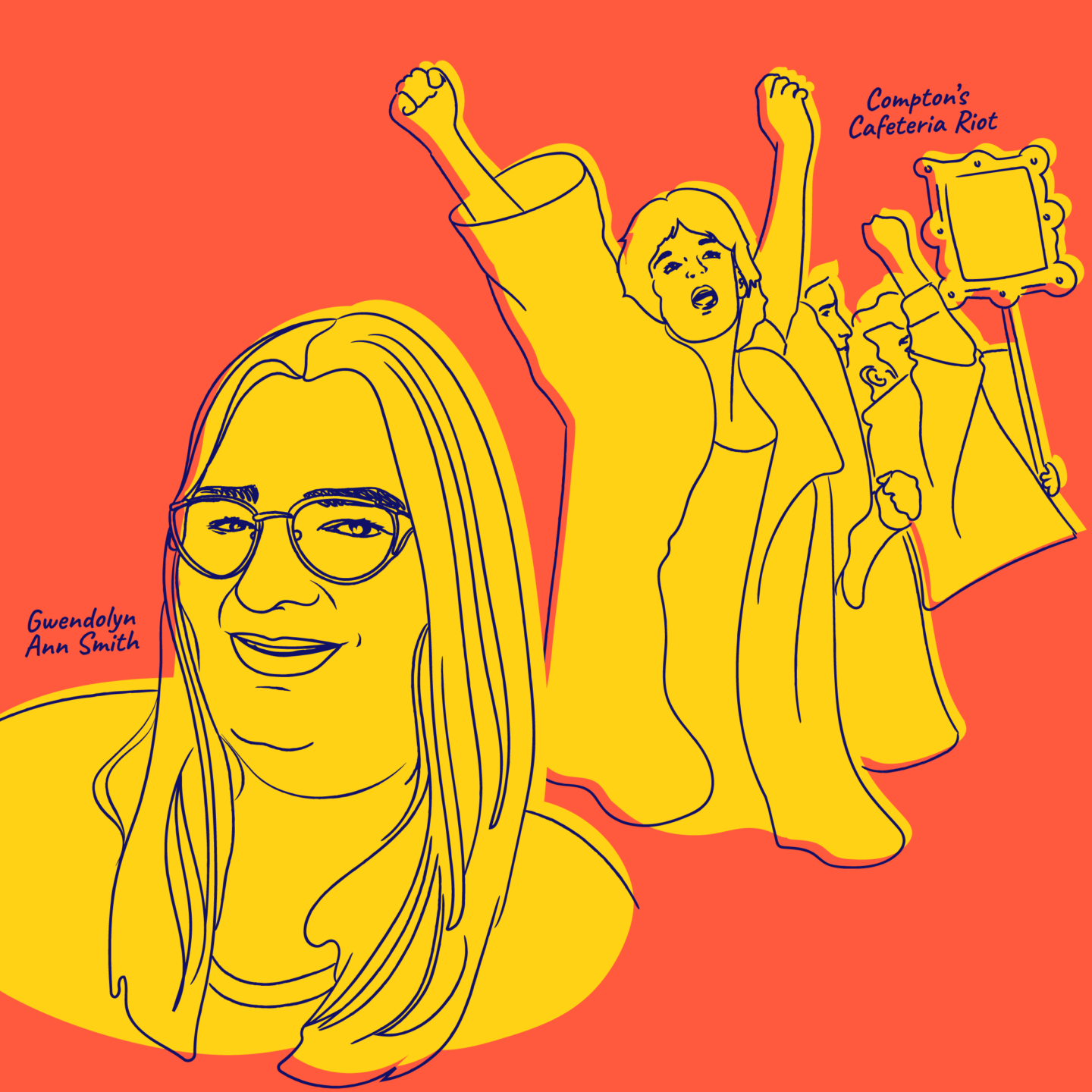
Many know about the origin of Pride parades and the Stonewall Riot, but the Compton’s Cafeteria Riot in August 1966 was one of the earliest pivotal LGBTQ+ riots in American history, and is the event that set trans activism in San Francisco in motion.
Because of social abandonment, scant opportunities for employment, and the volume of harassment and violence trans people were subject to, many trans girls in San Francisco experienced homelessness, which subjected them to even further harassment by the police. Many local drag queens and trans women gathered at the late night establishment, Compton’s Cafeteria, and were often ticketed and harassed by police for cross-dressing, which was still illegal. A service fee specific for trans women and drag queens was even implemented by staff in effort to drive them away from the business.
Following a picket protest organized by Vanguard (the first LGBTQ+ youth activism group in the United States), tensions were high between authorities and the trans folks who frequented Compton’s. Staff called the police in as they often did; when a cop forcefully grabbed one of the women, she threw coffee in his face, which caused the restaurant to erupt. Demonstrations continued the next day after trans folks and LGB allies returned to picket the restaurant.
Trans historian Susan Stryker calls the riot “the first known incident of collective militant queer resistance to police harassment in U.S. history.” The first-ever peer-run advocacy group for trans people, the National Transsexual Counseling Unit (NTCU) was founded in the wake of the riot, a part of a wave of trans activism throughout the city of San Francisco.
The Gazebo Chat Room
A year after AOL lifted its ban on discussions of gender and sexuality in chat rooms in 1994, writer and organizer Gwendolyn Ann Smith started The Gazebo, a chat room specifically for trans people. Named in honor Lauren D. Wilson, a trans woman and friend of Gwendolyn’s who passed away by suicide, The Gazebo provided support, affirmation, and friendship for trans people across the country. This was before Internet use was widespread, and a desktop computer and home modem were necessary to access the web. For many trans folks, the connection to people who understand their experience was crucial to survival.
Much like our own platform for LGBTQ+ young people TrevorSpace, The Gazebo provided opportunities for trans folks from different backgrounds and communities to discuss issues of gender and sexuality: transition, relationships, pop culture, current events, and more. Gwendolyn said reflecting on The Gazebo that “We need places for us, by us. Somewhere we have more control over what can be within it, so that we can mold it into something that works for us.”
Our current recognition of Trans Day of Remembrance can also be traced back to The Gazebo — it was the organizing work of Gwendolyn Ann Smith, Penny Ashe Matz, and others that resulted in the annual day of recognition for trans people lost to anti-trans violence.
We move forward as a society because trans women stand at the forefront of liberation. These are just two important moments in trans women’s history, but we urge LGBTQ+ allies to spend time learning from trans women’s struggles and triumphs. The reality is that not enough has been done to free trans women from violence and bigotry. We still lose too many people too soon — people who deserve to live full, happy, liberated lives. History tells us how we can save our community from this fate, so it is essential that we listen.
The Trevor Project is the leading suicide prevention and mental health organization for lesbian, gay, bisexual, transgender, queer & questioning, and more (LGBTQ+) young people. If you or someone you know is feeling hopeless or suicidal, our trained crisis counselors are available 24/7 at 1-866-488-7386 via chat www.TheTrevorProject.org/Get-Help, or by texting START to 678-678.