You are using an outdated browser. Please upgrade your browser to improve your experience and security.

Skip to main
Blog

Styles of Pride: Express Yourself

BY: Trevor News
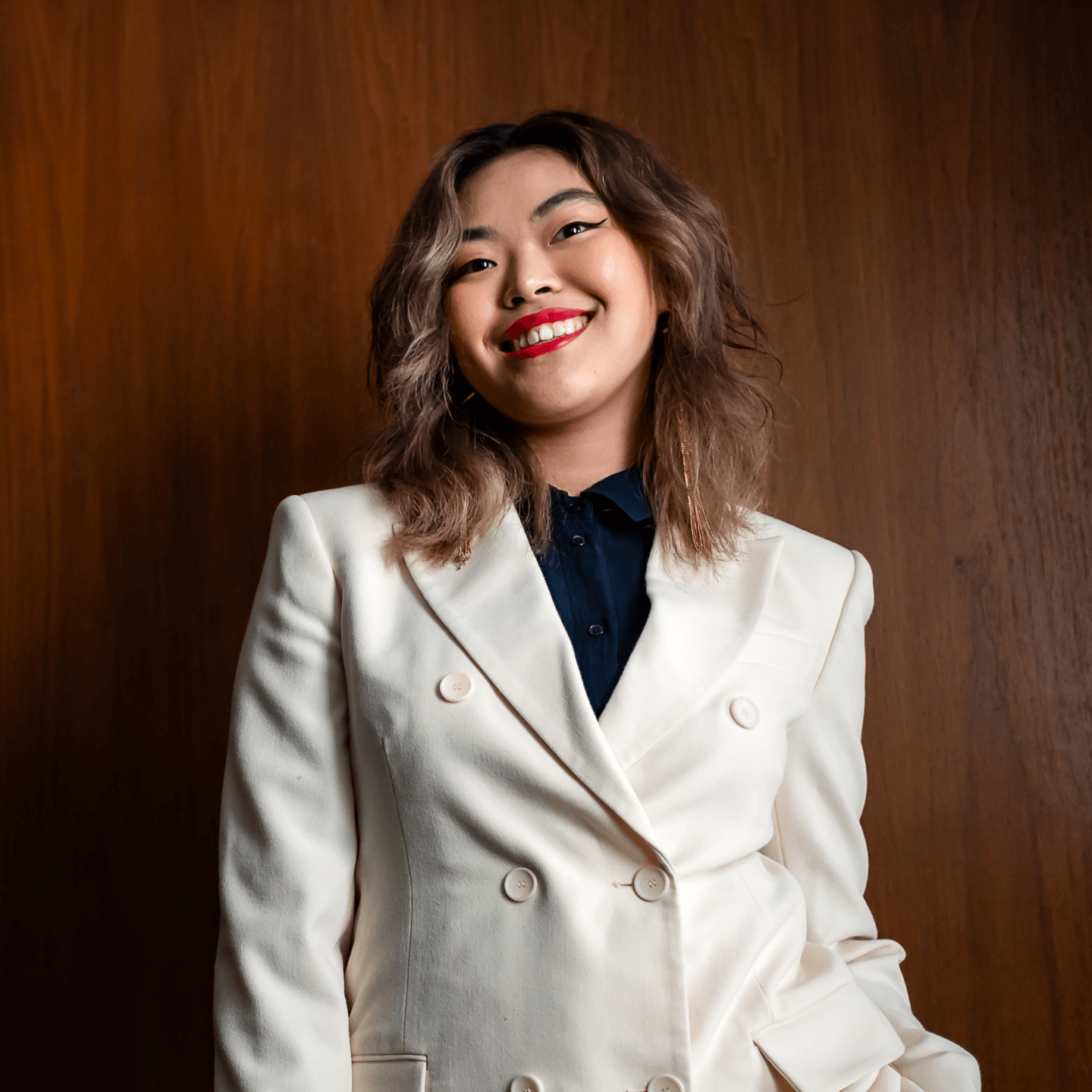
Young person with long brunette hair wearing a white suit smiling against a wood backdrop
Donate

Finding yourself is a multi-faceted journey, whether that means trying on a wig for the first time, seeing a queer-affirming movie, or picking out the pronoun pin that feels right. Adults who affirm that journey help LGBTQ+ young people feel free to be authentic without fear of rejection. 

Watching young people use their style to explore themselves ultimately helps us realize that self-expression is just a way to show the world who we are on the inside. 

Alongside our partners at Macy’s, who have supported The Trevor Project’s mission by raising over $6 million dollars to date, we invited five extraordinary young people to share their stories and what self-expression means to them. Meet Cienna, Kinley, Yev, Mary, and Breanna, LGBTQ+ young people on their journey and hear interwoven anecdotes that showcase the power of taking tangible action toward authentic self-expression. Whether at prom or in the comfort of your own home, our style helps us find who we are. Watch Styles of Pride: Express Yourself  now:

Read more from
Blog

Animation of a person holding a snow globe
Blog

Going Home For The Holidays

Going home can mean returning to your comfort zone. Going home can mean freedom of expression or safety from the storm. Some people have many homes; the homes they come from, the homes they created on their own. And some people still cannot call anywhere a home, in both the physical and emotional sense.  As someone who grew up in an often unsafe and unaffirming home, the ability to control and feel safe in my space is very important to me. The home I am in now is my favorite so far. It is a cozy place where I cook…
Blog

Being There For LGBTQ+ Young People With Disabilities

An estimated 3 to 5 million LGBTQ+ people in the United States have disabilities. It would be wrong, then, to assume that someone’s disability could dictate their gender or sexuality. Still, as we enter Developmental Disability Awareness Month, we encounter a lot of stigma and misinformation surrounding LGBTQ+ young people who have a disability (or more).  First, let's talk about what a disability is. A disability can be defined as a physical, mental, cognitive, or developmental condition that impairs, interferes with, or limits a person's ability to engage in certain tasks or participate in typical daily activities and interactions. But…