
Blog

In Their Own Words: LGBTQ+ Young People Head Back to School

We asked our Trevor community some of the big questions as they head back to school this year. Their answers brought us back to the fact that all kids just want to be kids and belong at school, and some of their advice was super heartwarming. See how LGBTQ+ young people across the country are feeling as they pack their backpacks this year. What are you most looking forward to at school this year? “Going to a school with an LGBTQ+ support group for the first time!” “This year I'm finally ready to be out and proud! Going to finish…
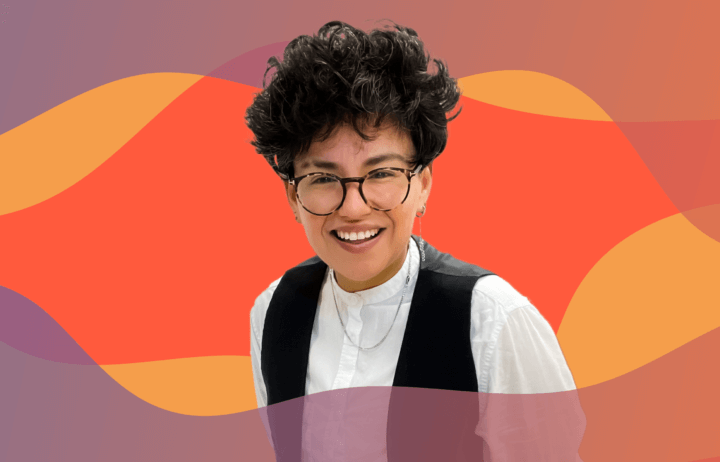
Waist high picture of Selina Peña wearing a white shirt and black vest.
Blog

Allyship In The Classroom With Selina Peña

For Selina Peña (she/they), queer Chicanx educator and content creator, school has always been a refuge. She teaches at the very high school she graduated from, a school that provided a safe haven from her home environment. “Growing up in a bordertown, I took on various roles, including translator and caretaker,” Selina explained. “Now, as a queer Latina high school teacher in south Texas, I'm committed to fostering an inclusive and empowering classroom. I am aware of the value of representation in school and how it affects students' sense of identity and self-worth. I work hard to make sure my…
Trevor Talks Episode two logo How to talk safely about suicide.
Blog

TrevorTalks Unpacks Talking About Suicide Safely

One of the hardest topics to talk about is suicide. Many of us may know people who have attempted or lost their lives to suicide, but talking about it can often feel taboo. We live in a society that sweeps a lot of tough conversations under the rug. In 2017, a person died by suicide every 11 minutes. It’s the second leading cause of death among young people ages 10-14, and the third leading cause for young people ages 15-24. Suicide is currently considered a public health crisis in the United States. But even though it’s such a common cause…
Blog

Unveiling Trevor’s Values

Trevor’s 25th year marks another important milestone: the introduction of our organization’s values. Our mission to create a brighter future starts with how we operate as an organization, and how we show up — day after day — to defend and protect the potential of LGBTQ young people. These values are a crystallization of conversations and heartfelt contributions from our staff, leadership, and board of directors, and we thank everyone for their role in shaping this next milestone chapter. For the past 25 years, our shared values have been implicit. Starting today, they will be our north star illuminating our…
Blog

The 25th Anniversary of TrevorLifeline

August 11 is an anniversary that defines Trevor’s legacy. The Trevor Project’s formal founding occurred on March 25, 1998, but August 11 marks the 25-year anniversary of the launch of TrevorLifeline, the first 24/7 national lifeline supporting LGBTQ youth in crisis.  The Academy Award®-winning short film, “Trevor,” a story about an LGBTQ teen who attempts suicide, was set to air nationally on HBO on August 11. The filmmakers — Peggy Rajski, Randy Stone, and Celeste Lecesne — wanted to include a number to a suicide lifeline for young people that might feel similar to Trevor’s character. After learning that LGBTQ…
Lindz Amer
Blog

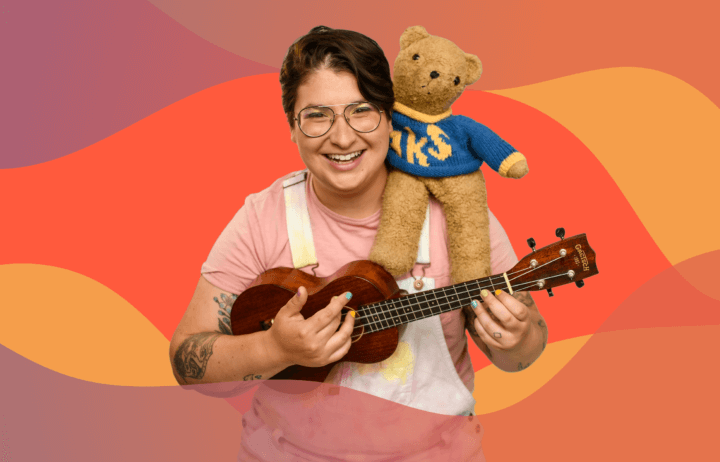
Raising Queer Kids and Allies with Lindz Amer

Lindsay Amer is an American LGBTQ+ activist, YouTuber, and author of “Rainbow Parenting: Your Guide to Raising Queer Kids and Their Allies.” Amer created and hosts Queer Kid Stuff, a YouTube channel directed at children and focused on LGBTQ issues. Amer has been recognized by GLAAD, the TED Conference, and the Webby Awards for their work relating to LGBT education and advocacy. 1. What inspired you to write Rainbow Parenting? First and foremost,the book is a culmination of about a decade of experience in making LGBTQ+ media and in queer storytelling for kids and families. I gave a TED Talk…
Intern Appreciation Day
Blog

Celebrating our Trevor Interns for Intern Appreciation Day

In 2023, The Trevor Project had the pleasure of welcoming eight paid interns to our community, allowing them to bring their talents and stories to our community of champions for LGBTQ young people. Their passion and excitement helped us see Trevor through fresh eyes and see new possibilities in our work.  Trevor Interns Gciniwe and Trey shared their experiences working with us this summer: “Interning at the Trevor Project has been an absolute highlight of my summer. The members of the Content team have been incredibly welcoming and supportive. Initially, I didn't fully comprehend the extent of The Trevor Project's…
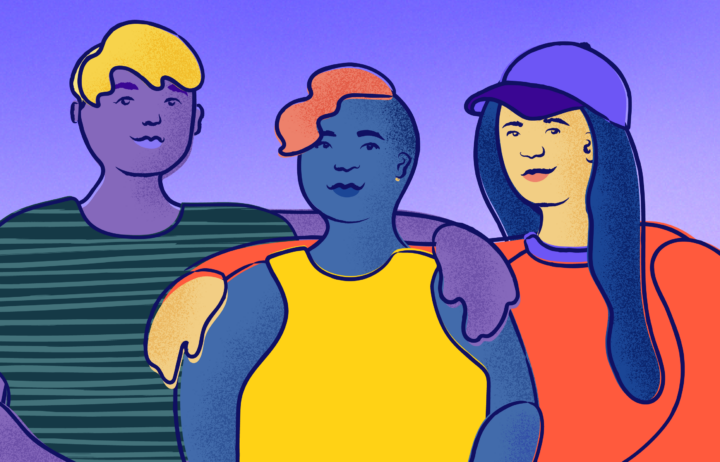
3 people sitting shoulder to shoulder with arms around each other's shoulders
Blog

BIPOC Mental Health Awareness Month: Navigating Stigma

BIPOC communities have historically faced discrimination, systemic inequalities, and social injustices — all of which have profound impacts on mental health. This BIPOC Mental Health Awareness Month, it is essential to highlight the disparities that exist in access to mental health services among BIPOC communities. It’s important that we continue advocating for equitable resources and promoting the destigmatization of both asking for and receiving help. Stigma surrounding mental health is prevalent in many communities, often leading to shame, silence, and avoidance. Within BIPOC communities specifically, cultural factors and historical trauma can further complicate discussions around mental health. Breaking these stigmas…
Textured animation image of purple, white, and yellow
Blog

Nonbinary Awareness Week: Defying the Binary

A spectrum can be a useful way to start thinking about gender: man on one end and woman on the other, with a wide array of identities between the binary. But even a spectrum, wide as it can be, becomes reductive when you consider how complex human beings are.  Though the gender spectrum and nonbinary identities recently broke through to the mainstream, human history tells us that we have been wrestling with these ideas forever. Pre-colonial and Indigenous understandings of gender are far more fluid, complex, than post-colonial roles of “man” and “woman.” In fact, there exists a community of…