Youth's Lives Every Day
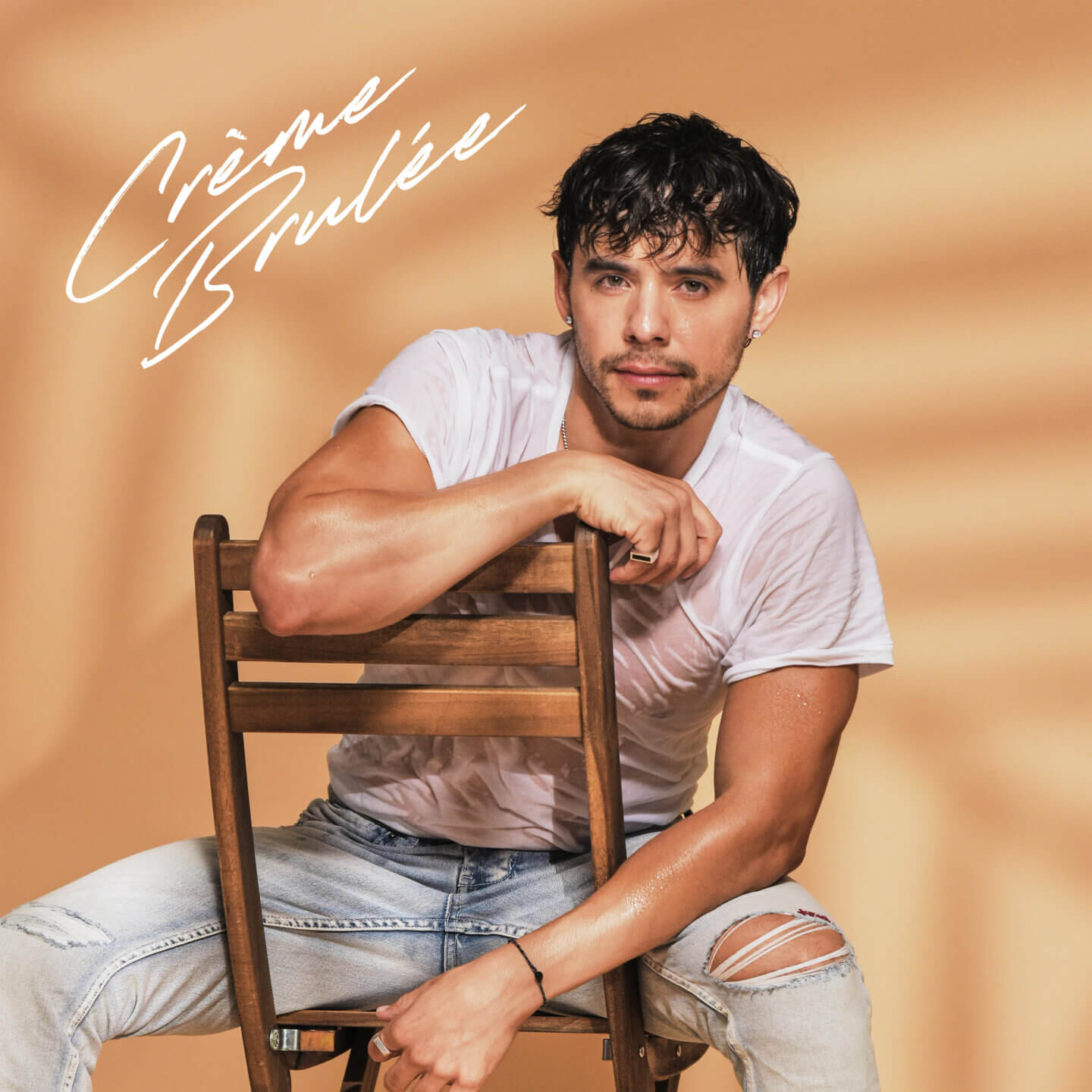
The Trevor Project interviewed singer-songwriter David Archuleta following the release of his new single, “Crème Brulée.” The track blends English and Spanish vocals, and is the first single off of his upcoming EP release. The song now has over 1.8 million streams and is currently #2 on Spotify’s OBSESSED playlist. Fans can check out David’s music video for “Crème Brulée” on YouTube.
Congrats on the recent releases of “Crème Brulée” and “Freedom!” What inspires your music and creativity?
Thank you! My music is inspired by my journey. I like the creative side to reflect where I am on my path of self discovery and growth. The fun, the lessons, the everything.
Being a singer-songwriter can be a demanding job. How do you take care of yourself and your mental health?
I go to the gym. I give myself the time I need to be alone. I try to eat a balanced diet. Love my yummy fattening foods and sweets (and crème brûlée) from time to time but also try to get nutrient rich foods and eat my greens and get my protein and all that. Need all of it to enjoy.
I’ve also gone to therapy in different periods of my life when I feel I need it which has been amazing as well! And of course good friends and people around as a support when I need a shoulder to lean on, and someone to talk to to process my thoughts and when I need a pep talk and someone who believes in me when I don’t for any reason at that time.
The “Crème Brulée” music video includes intricate choreography. What role does dancing play in your artistic expression?
Shoutout to JA collective, Jordan and Aiden, the amazing choreographers of this video! As well as my creative director Nathan Kim.
Dancing is always a challenge for me but a good way to push myself to get more in touch with my body, and more freely express myself. It’s a release for me. It’s therapeutic. And it can be a fun and beautiful way to express art and perform.
How do you want your LGBTQ+ audiences to feel when listening to your music?
I want them to feel free. I want them to feel seen, and identified in life’s journey in whatever way that can be relatable as I tell my story and journey. We’ve all dealt with similar experiences and feelings.
Not everyone can relate to those experiences around us if they’re not queer, so it’s about creating more of that community we all seek for. I want them to feel celebrated and to have fun, to feel that representation in flirting and falling in love, or shed a tear if they need to too.
Can you share some words of inspiration for LGBTQ+ young people?
You are seen. We are here in this thing called life together. Dare to be yourself. Push yourself to go out of your comfort zone so you can feel that freedom. Dare to even be judged for being you.
You will find your community in the process. You will make mistakes. You will fall here and there, but it’s worth the growth and lessons learned. You will more bravely and courageously be you with no regrets of wondering “what if I let myself be more me” you will say “thank god I have found myself.”
Don’t be afraid to reach out to resources, programs, and centers to have the proper education for community, sex education and safety, illness prevention, and to live life in less fear that we’ve been instilled with.
It’s amazing to be queer and live life to the fullest. The better your resources and prepared with the knowledge you need the more liberated and wiser you’ll become! I love you all!