Youth's Lives Every Day
Chicago’s DIY music scene is as exciting and dynamic as the people who live here — every weekend offers opportunities to see punk shows, DJ sets, avant-garde noise, performance art, rappers, jazz and blues bands, and more, and more. And even though Chicago has so much to offer, if you don’t branch out, it can appear like the dominating force is punk bands lead by white cis guys. No shade to those punk bands (I love many of them!), but I spent my adolescence in the DIY punk scene. After many years, the same chord progressions can get monotonous. And those spaces can be really isolating, often outwardly hostile, to people who don’t fit the white cis guy mold.
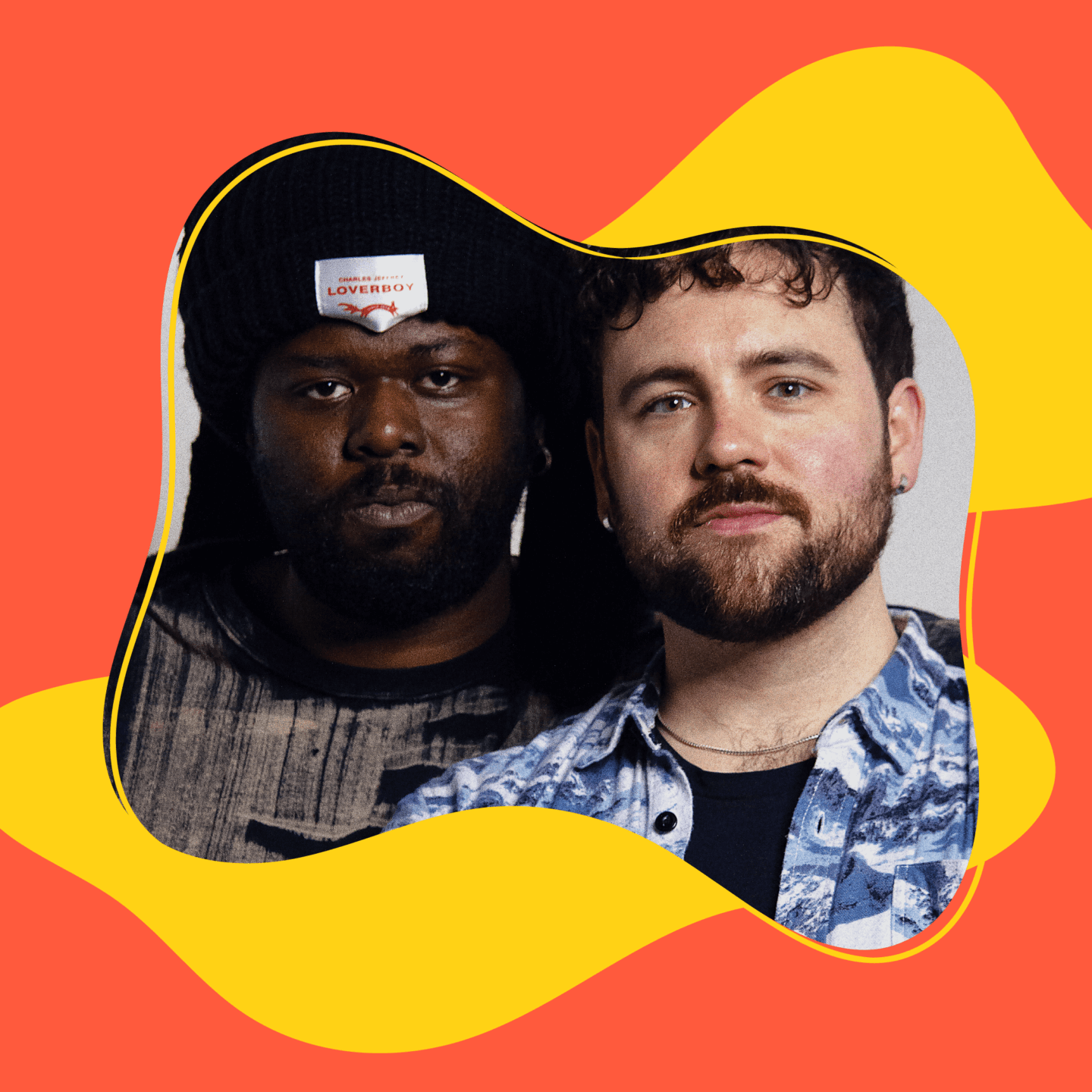
Citypill is a needed alternative to that energy. Hosted at the community space Happy Gallery, Citypill is one of Chicago’s most unique events, a showcase strictly dedicated to underground/independent pop musicians. There’s no other barrier of entry, and even though you don’t have to be queer to perform at Citypill, organizers Brendan Carmack and Steven (Stevie) Logan say at Citypill, queer goes without saying. If you’re convinced a lineup of only pop artists might be basic, Citypill will prove you wrong, because the artists play in a wide array of genre-niches like glam-pop, indie/alt, pop-punk, rap-pop, nightcore, shoegaze, bubblegum, and hyperpop. Pop music has always been a genre loved and innovated by queer people, by Black and Brown people, by marginalized folks in general; pop can be glittery, brave, fun, passionate, and deeply felt. Citypill revels in that and builds a community around it.
Their last showcase at Happy Gallery was at the end of January, and I spoke to Brendan and Stevie about the vibe they’ve cultivated at Citypill. Brendan and Stevie have been friends since 2019, initially connecting over their respective music blogs, “Bops and Flops” and “Vers.FM.” Their friendship and collaboration was born out of their shared love of underground music: “Stevie realized we had similar music tastes, and we wanted to bring together what we were doing: independent music and blogging,” Brendan shared. Stevie agreed, “We wanted to bring the online scene we followed into the real world.”
They’ve been hosting for Citypill for more than two years now, but they hit their stride once they found a home at Happy Gallery. And though the only requirement to perform is being an independent pop artist, Brendan and Stevie say they define pop loosely. “It almost goes without saying that it’s queer naturally. But it’s really open. It’s a wide diaspora of artists that come together,” Brendan explained. Stevie explained the openness of the lineups they curate is intentional: “It’s not just one scene. For multiple people, it’s their first show. And [artists] then meet other people who they can collaborate with.”
Chicago definitely has an active LGBTQ+ arts community, but like the punk scene, it can get monotonous too. Citypill is an effort to disrupt that: “Sometimes it feels like queer events are mostly parties with DJs or specific scenes with bands; we’ve been trying to build Citypill up as somewhere in the middle, where artists who are either brand new or trying to crossover from an online scene that is very queer and eclectic, into the real world performing, can experiment with a low barrier to entry.”
The first Citypill I attended is where I met Brendan and saw him perform. Brendan raps under the name Grizzy Mack, and he performed his newest work, “HOMONOIR,” which was produced by Brendan and his friend myso. “The main thesis [of HOMORNOIR] is somewhat similar to the Buddhist teachings I’ve read; simply that a big part of living includes the suffering and hardships we face as people. There are a lot of lonely and intense parts of queerness, like being othered and ostracized, dealing with specific forms of heartbreak and betrayal that aren’t experienced in heteronormative relationships. Also, there are things I face as a Black man in America that are unique to my experience.”
HOMONOIR is informed by this as well as the memes Brendan consumes. “The meme audio ‘It is what it isss’ really resonated with us during this project and acted as somewhat of a moodboard for the lyrics and samples we included. It is what it is, and that’s okay.” The main song on HOMONOIR that captures this is “Ultimatum”: “We are trying to show that even though there are these ebbs and flows, and that life isn’t always peachy clean and sweet, we should still try and embrace all the parts of life that are brought to us. It is worth it, and it feels good.” Brendan quotes Professor Rick Roderick (who himself was quoting Nietzche): “We need to remember that it’s about loving the place you found yourself in history, and the challenge of eternal recurrence… and sometimes that’s a difficult thing to do.”
Brendan and Stevie described the January evening as one of their most successful shows, featuring a lineup of first-time Citypill performers. The musicians I spoke to expressed that Citypill stands out among the packed schedule of shows in the Chicago DIY scene. Anyone who considers themselves a part of any music scene knows it can get tired, going to gigs can be a mixed bag of social scenes, and artists are rarely, if ever, compensated for their time and passion. But Citypill feels authentic, connected, and fun. People actually dance and enjoy themselves. Musician FAIRYS said that this is all an expression of care for artists: “Citypill is more special, comfortable, and less sterile” than other gigs. Artist Axel Brooks said the same: “I feel so grateful every time I perform, especially somewhere chill and friendly and safe. It’s a very warm environment — there’s not a lot of places in Chicago like it.”
After two years of Citypill, Stevie and Brendan are most proud of the number of artists they’ve been able to feature and that they’ve directly paid those people to perform. “No one pays a cent for anything; all the money from the tickets goes to the artists themselves.” The vision for the future Citypill is more shows, ideally monthly, and featuring artists around the midwest. “NYC and LA feel like they have a bigger, more established ‘queer pop’ scene than Chicago, so building that out here would be really cool.” But for Brendan and Stevie, the most important part of Citypill is that it comes from and sustains the community.
For so many artists, creating is as much about expression as it is about survival. It can’t be understated how important and rare it is for independent artists to see the fruits of their labor and be given chances to take the stage. And for queer folks — who know what it’s like to be alienated and othered — the experience can be life-affirming.
Sue Cardenas-Soto is a Copywriter at The Trevor Project, the leading suicide prevention and mental health organization for lesbian, gay, bisexual, transgender, queer & questioning (LGBTQ) young people. If you or someone you know is feeling hopeless or suicidal, our trained crisis counselors are available 24/7 at 1-866-488-7386 via chat www.TheTrevorProject.org/Get-Help, or by texting START to 678-678.